
Column February 9, 2026
Chronic Fatigue Syndrome — Why You Stay Tired Even After Resting
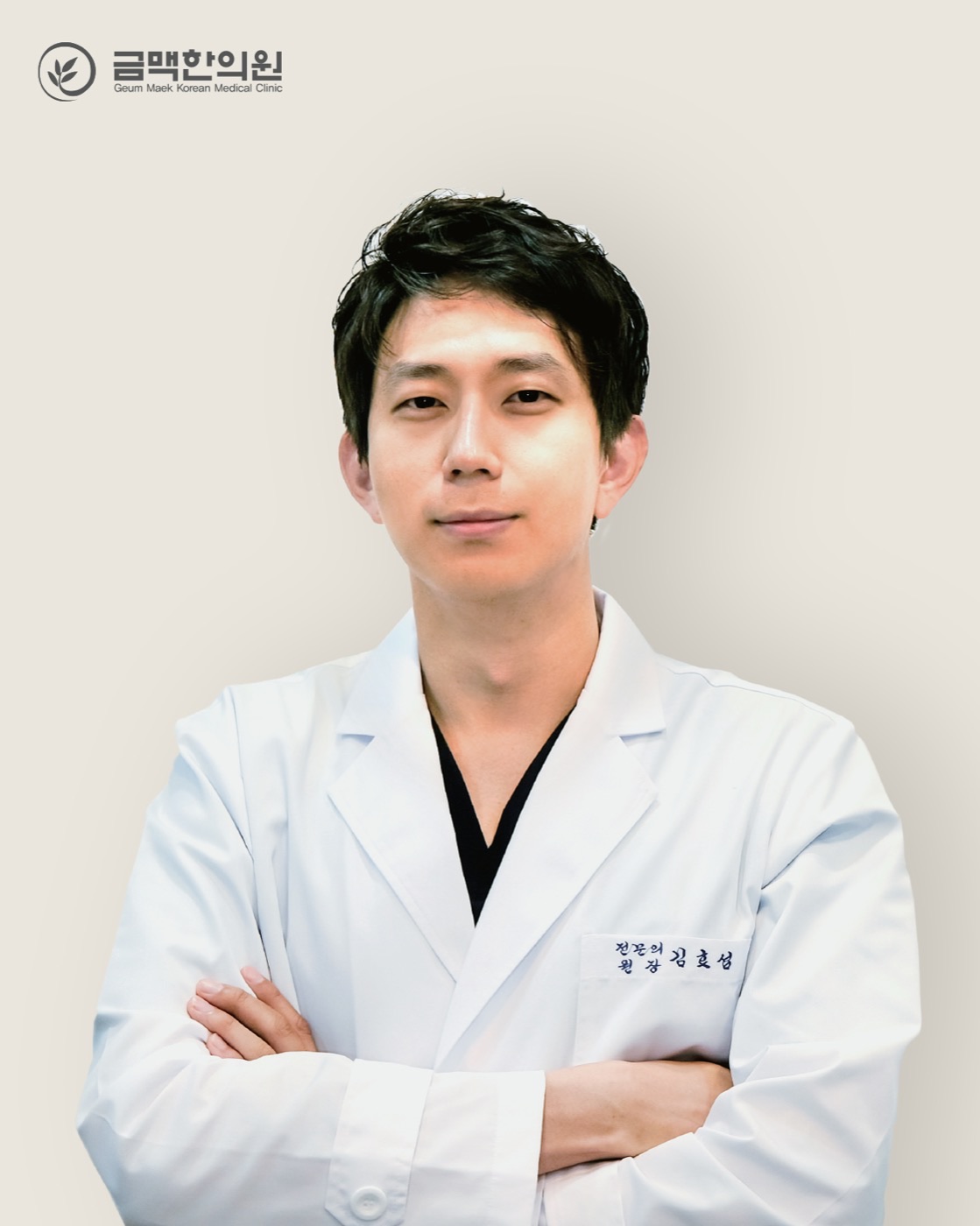
Hyo-seop Kim
Chief Director
Table of Contents
Unexplained fatigue lasting more than six months
Chronic fatigue syndrome (CFS) is a state of severe fatigue that persists for more than six months despite enough sleep and rest, worsens after activity, and isn't relieved by sleep. Because blood and imaging tests often show nothing obvious, sufferers are sometimes wrongly dismissed as malingering.
Korean medicine diagnosis: qi deficiency (氣虛) and spleen deficiency (脾虛)
Korean medicine groups chronic fatigue into three main patterns.
- Qi deficiency (氣虛): Overall energy depletion — listless, even talking feels burdensome. Treated with formulas in the Bojungikgi-tang family.
- Spleen deficiency with dampness retention (脾虛濕困): Weak digestion combined with internal dampness — body feels heavy, mind unclear. Treated with formulas in the Samchulgeonbi-tang family.
- Liver qi stagnation (肝鬱氣滯): Stress blocking qi flow — chest tightness with fatigue. Treated with formulas in the Soyo-san family.
The treatment process
After a constitutional diagnosis, a customized herbal medicine is prescribed and acupuncture is used to promote qi and blood circulation. Key points include Qihai (CV6), Guanyuan (CV4), and Zusanli (ST36). In most cases, 4–8 weeks of treatment bring noticeable changes in morning freshness and the ability to sustain activity.
Daily habits that worsen fatigue
- Late-night smartphone use that lowers sleep quality
- Skipped breakfast → overeating at lunch → late-night snacking — an irregular eating pattern
- Excessive caffeine (a temporary boost followed by an even bigger fatigue rebound)