
Column January 13, 2026
Burnout — A Signal from the Body When Overwork Accumulates
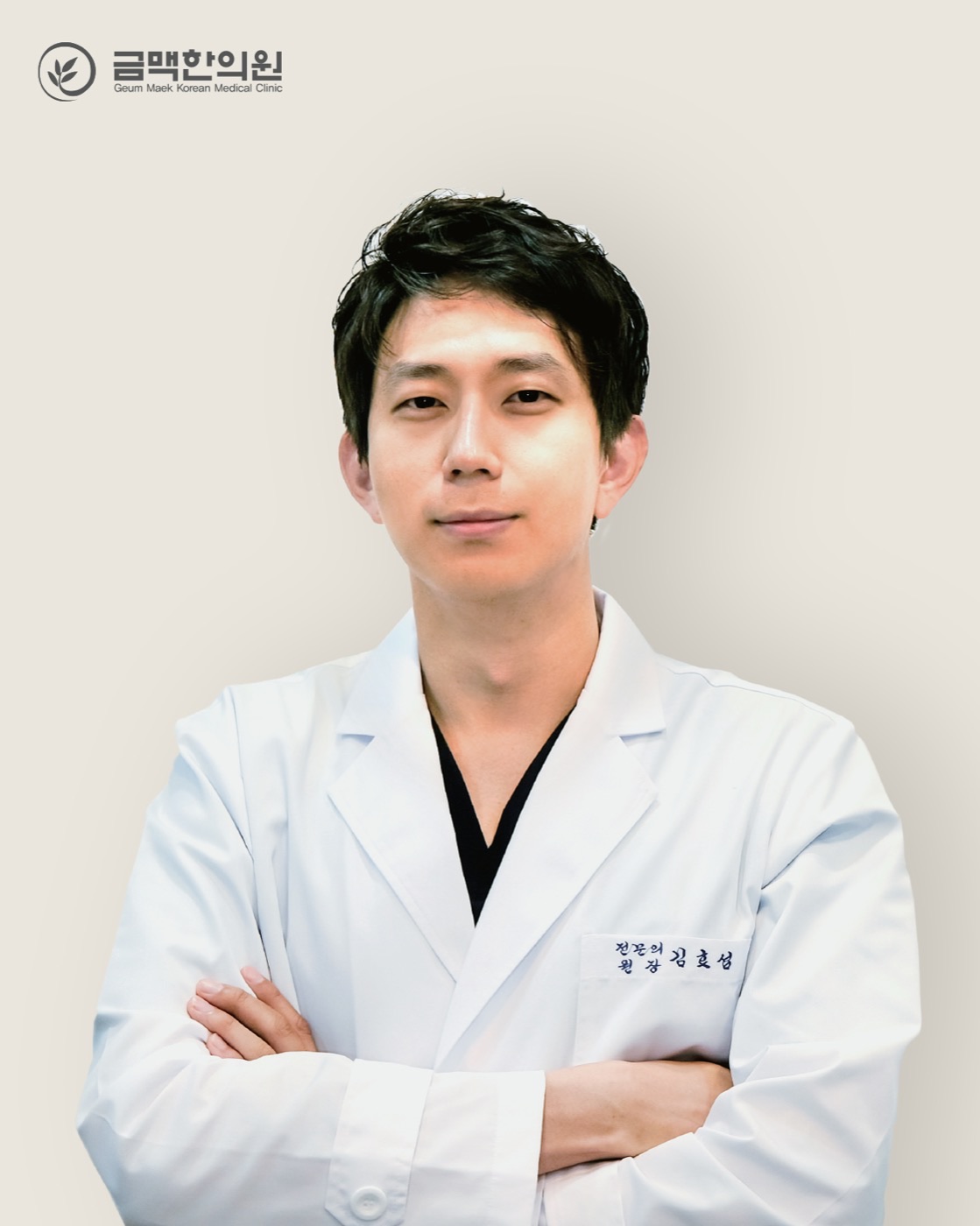
Hyo-seop Kim
Chief Director
Table of Contents
No drive for work or rest
Burnout is more than ordinary fatigue. It's a state where prolonged excessive work and stress have depleted physical, emotional, and cognitive function all at once. Mornings feel impossibly heavy, concentration drops sharply, and small things become irritating.
How Korean medicine views burnout: dual deficiency of heart and spleen (心脾兩虛)
Korean medicine sees burnout as a state in which the heart and spleen are weakened together by excessive thinking (思) and labor (勞).
- Heart blood deficiency (心血不足): Insomnia, forgetfulness, palpitations — a state where there isn't enough blood to settle the mind
- Spleen qi deficiency (脾氣虛): Loss of appetite, indigestion, weak limbs — the body's energy production has stalled
- Representative formula: Gwibi-tang — a prescription that tonifies the heart and spleen together, the backbone of burnout recovery
Acupuncture and moxibustion
Acupuncture at Baihui (GV20) clears the head, while moxibustion at Zhongwan (CV12) and Qihai (CV6) lifts both digestion and energy at once. For burnout patients, gentle tonifying (補法) acupuncture works better than strong stimulation.
Redesigning life for recovery
- An actual reduction in workload has to come first — treatment alone has its limits
- Light aerobic activity such as a 30-minute daily walk helps secrete recovery hormones
- Intentionally carve out "do-nothing time" — it's essential for the brain to recover