
Column February 2, 2026
Damjeok Disease — Korean Medicine Treatment for Waste Accumulated on the Stomach Wall
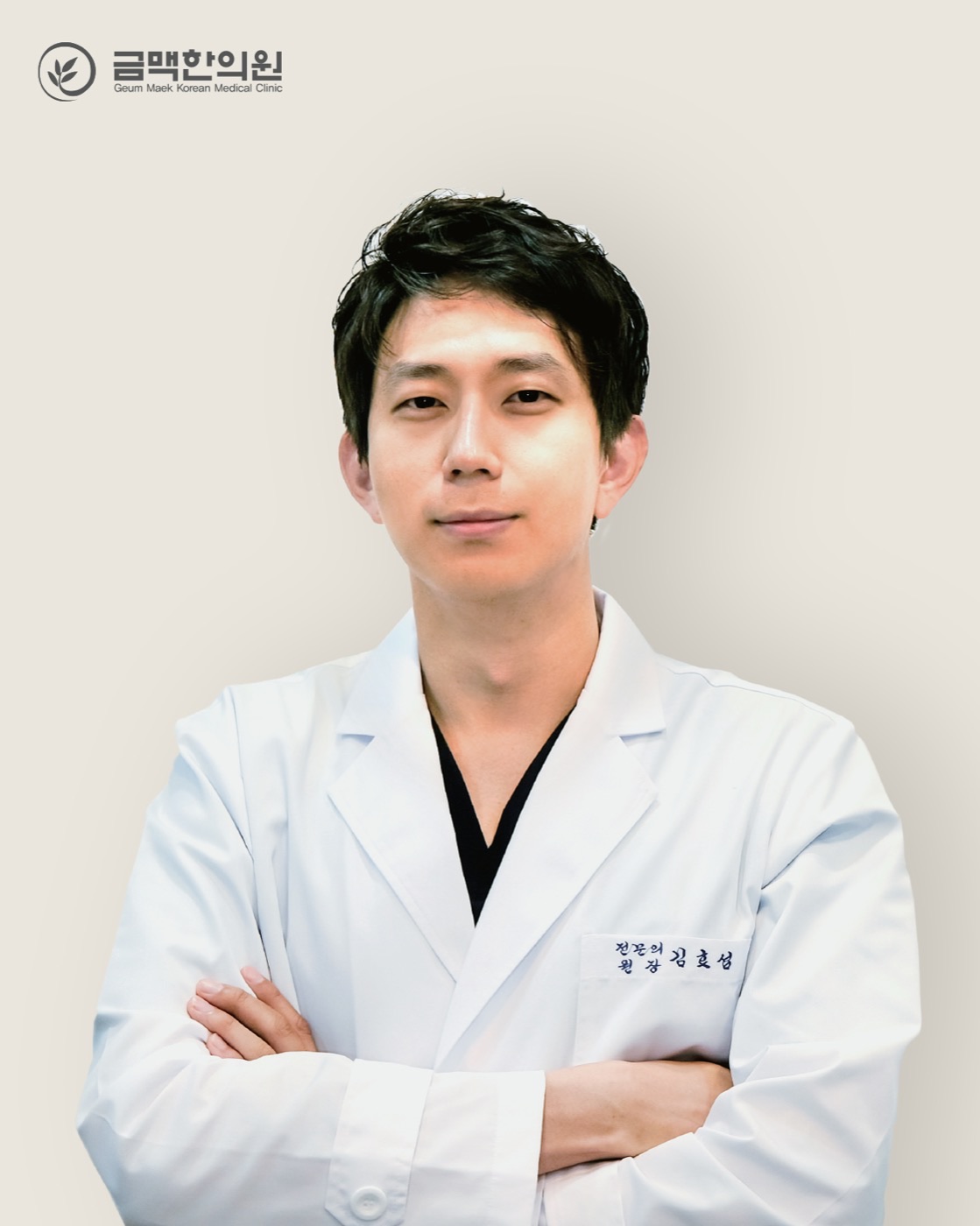
Hyo-seop Kim
Chief Director
Table of Contents
Phlegm in the stomach you can feel by touch
Damjeok (痰積, phlegm-stasis disease) is a diagnosis unique to Korean medicine. It refers to a state in which damum (痰飮, phlegm-fluid waste) accumulates on the wall of the gastrointestinal tract, weakening digestive function and triggering various systemic symptoms. On abdominal palpation, the stomach area feels hard and lumpy or shows tenderness.
How damjeok builds up
- Repeated overeating, late-night meals, and cold foods → overload of Spleen-Stomach function
- Undigested food residue stagnates on the stomach wall
- The stagnant material transforms into damum (痰飮) and adheres to the wall
- Decreased gastric motility and absorption → fatigue, headaches, and even skin problems develop
Treatment
- Modified Sasam-tang (四蔘湯): A formula that breaks down damjeok and restores gastric motility
- Abdominal pharmacopuncture: Pharmacopuncture is delivered to acupoints on the abdomen to directly stimulate areas of damjeok
- Moxibustion: Warming moxibustion on Zhongwan (CV12) and Tianshu (ST25) raises stomach yang
- Treatment duration: 4–6 weeks for mild cases; 2–3 months for moderate to severe cases
Eating habits that prevent damjeok
- Avoid overeating — filling the stomach to about 70% is ideal
- Reduce cold foods and drinks — they lower stomach temperature and weaken motility
- Do not lie down right after eating — this causes food stagnation