
Column October 19, 2025
Atopic Dermatitis — An Alternative to Long-Term Steroid Use
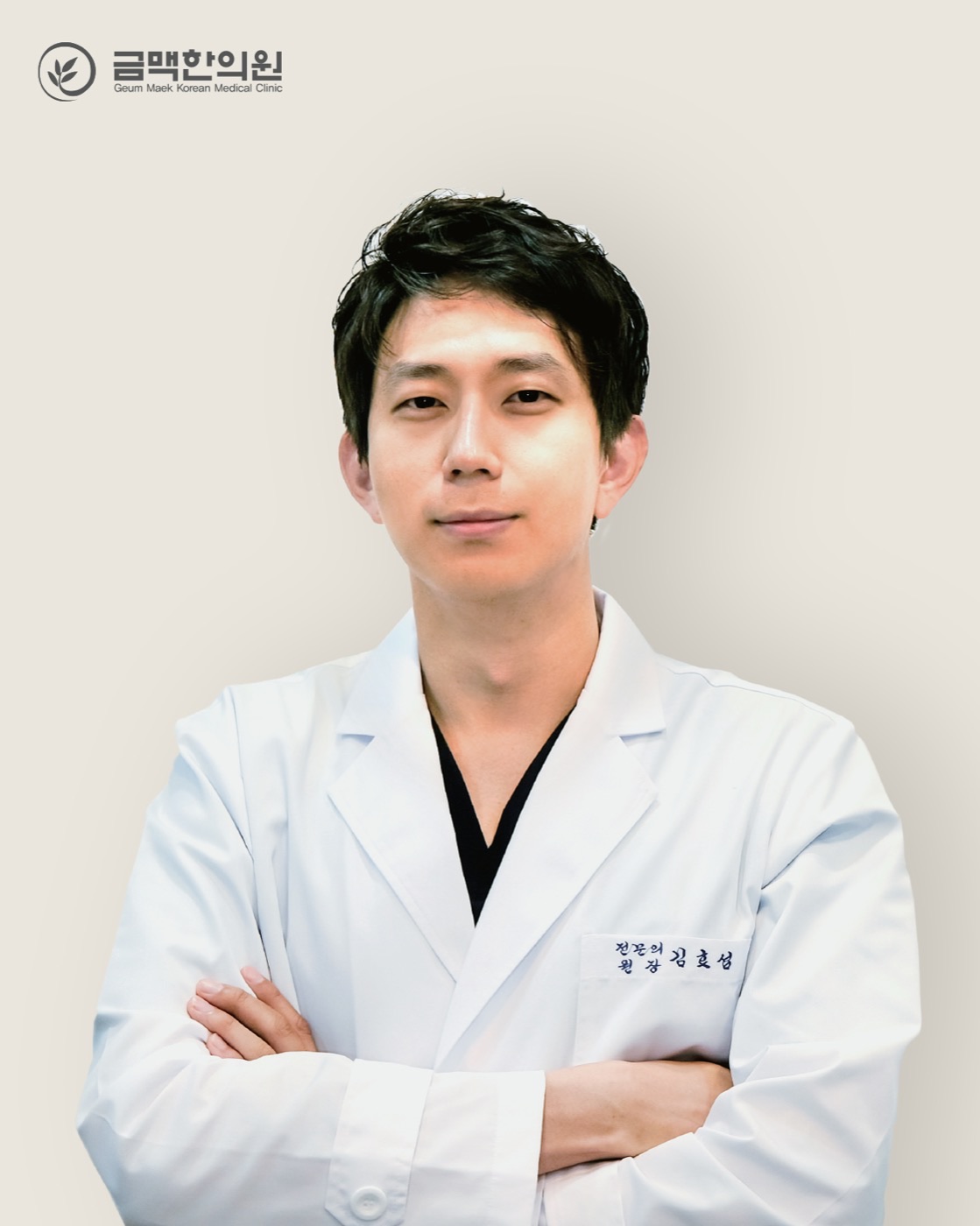
Hyo-seop Kim
Chief Director
Table of Contents
The dilemma of topical steroids
Topical steroids are effective for atopic dermatitis in the acute phase, but long-term use causes skin atrophy, telangiectasia, and rebound phenomena. Many patients fall into a vicious cycle in which symptoms worsen even more severely once steroids are discontinued.
Principles of transitioning to Korean medicine treatment
Korean medicine views atopic dermatitis as internal immune imbalance and heat-toxin (yeoldok, 熱毒) expressed through the skin.
- Cheong-yeol-hae-dok (淸熱解毒, clearing heat and detoxifying): Discharges accumulated heat and toxins from the skin — Hwangnyeon-haedok-tang (黃連解毒湯) family
- Geon-bi-i-seup (健脾利濕, strengthening spleen and draining dampness): Strengthens digestion to expel internal dampness — Samchul-geonbi-tang (蔘朮健脾湯) family
- Yang-hyeol-yun-jo (養血潤燥, nourishing blood and moistening dryness): Replenishes blood to supply moisture and nutrition to dry skin — modified Samul-tang (四物湯)
The steroid tapering process
Stopping abruptly causes severe rebound. The safe approach is combining herbal treatment and reducing dosage gradually at 2-to-4-week intervals. During the first 1–2 weeks a healing crisis (temporary worsening) may appear, but once you get past it the skin starts to stabilize on its own.
Treatment duration and progress
- Mild: symptoms stabilize in 4–8 weeks
- Moderate: 3–4 months of consistent treatment
- Severe (with long-term steroid use history): 6 months or more of constitutional improvement may be required