
Column January 10, 2026
Postpartum Qi-Blood Recovery — The Role of Gyeongokgo in Postnatal Care
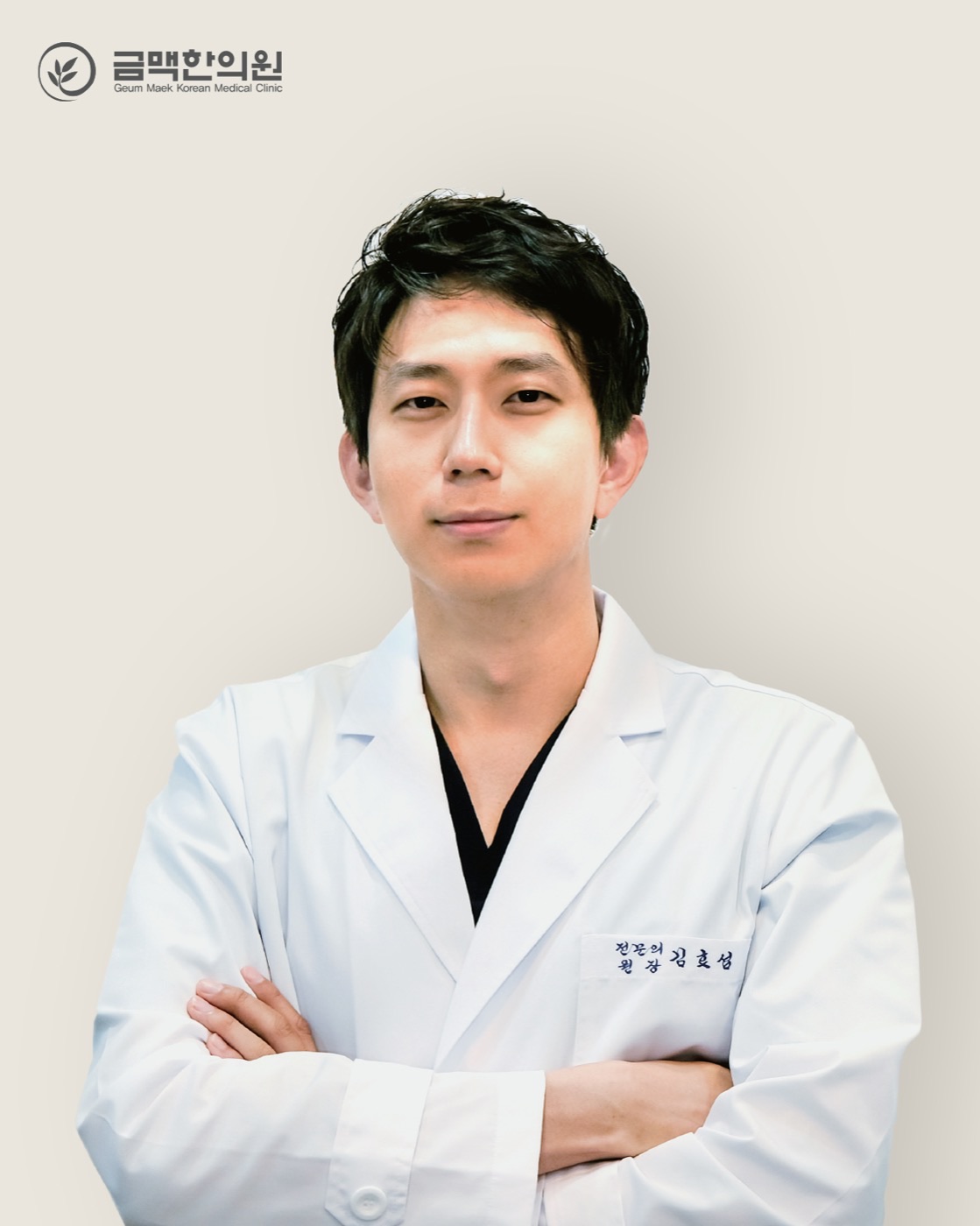
Hyo-seop Kim
Chief Director
Table of Contents
After the major event of childbirth
In Korean medicine, childbirth is regarded as a massive consumption of qi and blood (氣血). Bleeding during delivery, nutritional loss from breastfeeding, and lack of sleep combine to leave the new mother in an extremely depleted state.
Why Gyeongokgo is well suited for the postpartum period
- Fresh Rehmannia root (生地黃): Replenishes the body fluids (blood) consumed during childbirth and eases postpartum fever and thirst
- Korean ginseng (人蔘): Promotes recovery of vital energy and supplies the energy needed for breastfeeding
- Poria (茯苓): Improves postpartum edema (浮腫) and stabilizes digestive function
- Honey (蜂蜜): Eases postpartum constipation and promotes skin recovery
Is it safe to take while breastfeeding?
Gyeongokgo is composed only of fresh Rehmannia root, Korean ginseng, Poria, and honey, so it is relatively safe to take while breastfeeding. However, since digestive responses can vary by individual constitution, it is best to take it after consulting a Korean medicine doctor.
Postpartum recovery timeline
- From 2 weeks postpartum: Once lochia (惡露) decreases, Gyeongokgo can be started
- 4 to 8 weeks postpartum: Period of focused qi-blood recovery — consistent intake is most effective
- 3 months postpartum: Symptoms such as joint pain, hair loss, and edema (postpartum-wind syndrome) can be managed together